MA PFAS FAQs

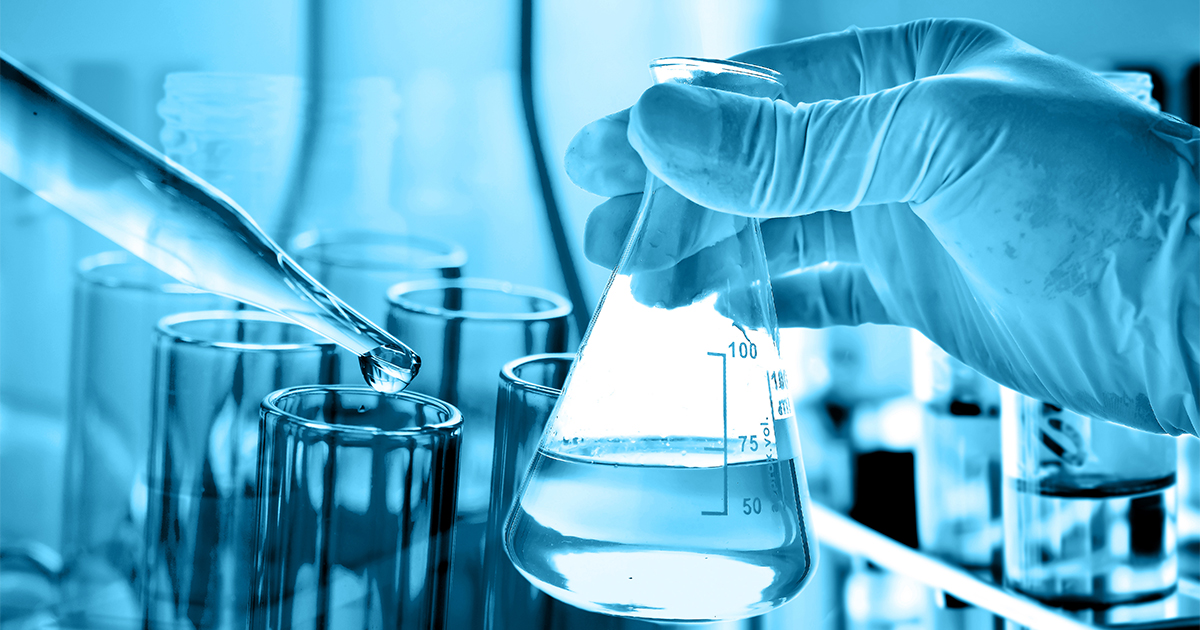
flask in a scientist's hand with lab glassware in the background

What is PFAS?

Throughout the northeast and across the nation, state and local officials, health departments, and water utilities including Aquarion have focused their attention on a group of human-made chemicals called per- and polyfluoroalkyl substances (PFAS).

PFAS are a family of chemicals widely used since the 1950s to manufacture common consumer products, and are also used in firefighting foams. These substances have been detected in drinking waters, including public and private water supplies, bottled water, consumer products, food, and cookware. They have been linked to a variety of health risks, particularly in women who are pregnant or nursing, and in infants.


EPA PFAS Regulation

On April 10, 2024, the US EPA released the first National Primary Drinking Water Regulation (NPDWR) for the following 6 PFAS Compounds: Perfluorooctanoic acid (PFOA), Perfluorooctane sulfonic acid (PFOS), Perfluorononoctanoic acid (PFNA), Perfluorohexane sulfonic acid (PFHxS), Perfluorobutane sulfonic acid (PFBS), and Hexafluoropropylene oxide dimer acid (HFPO-DA, aka GenX Chemicals). Although not required to meet the new PFAS maximum contaminant levels (MCLs) specified in the NPDWR until 2029, Aquarion has already begun working to meet these national standards.

Below are the MCL’s set by the NPWDR:

  • PFOA – 4.0 ppt
  • PFOS – 4.0 ppt
  • PFHxS – 10 ppt
  • PFNA – 10 ppt
  • HFPO-DA (commonly known as GenX Chemicals) – 10 ppt
  • PFNA, PFHxS, PFBS, and HFPO-DA – 1.0 Hazard Index (unitless)

* ppt – parts per trillion


Massachusetts PFAS Regulation

On October 2, 2020, a new enforceable water quality regulation for PFAS chemicals in public drinking water was established by the MassDEP. The regulation provided a Maximum Contaminant Level (MCL) water quality standard of 20 parts per trillion (ppt) for the sum of six PFAS chemicals, and also included monitoring, reporting, and public notification requirements. This MassDEP regulation remains in effect until the EPA MCLs are enforceable. 


What has Aquarion been doing in Massachusetts?

  • Aquarion started voluntary testing of its Massachusetts water sources in 2019 and continues to conduct voluntary testing. All samples are analyzed by a laboratory that is certified by the state of Massachusetts for PFAS analysis.
  • Aquarion's latest sampling results are available through the Water Quality Management Department. To learn more, contact Water Quality at 1‑800‑832‑2373.
  • Aquarion also shares PFAS results in its annual Consumer Confidence Reports (CCRs). Aquarion’s latest Massachusetts CCRs are now available at aquarionwater.com/wqr.
  • Aquarion inspected land use activities around each of our water supplies and found no high-risk contamination sources such as industrial, commercial, and municipal activities that might release high levels of PFAS to the environment.

Aquarion will remain vigilant about this important issue, including additional testing for PFAS at some of our water sources. We will continue to share test results with our customers and state and local officials. We will also continue to work with the public health agencies and drinking water associations to ensure the protection of our drinking water supplies, and delivery of high-quality water to our customers.