Prevent Frozen Water Pipes and Meters

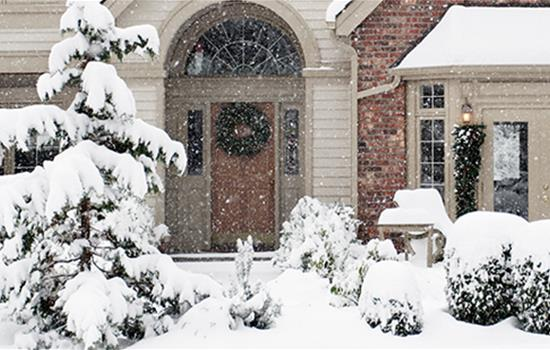
A closeup of the front of a home with active snowfall in the foreground.

It's the cold truth

Preventing frozen pipes is much easier than replacing pipes that freeze and burst. And that’s not even considering paying for the damage to your home and possessions that can result from burst pipes.

Water pipes and meters can freeze within hours of the onset of sub-freezing weather—if they’re exposed to cold air or drafts. Property owners—not Aquarion—are responsible for protecting their water pipes and water meters (interior or exterior) from cold air and wind.

Fortunately, that’s relatively easy to do. These steps will help you prevent the damage, expense, and inconveniences of having your pipes or water meter freeze.


How to prevent frozen pipes and meters
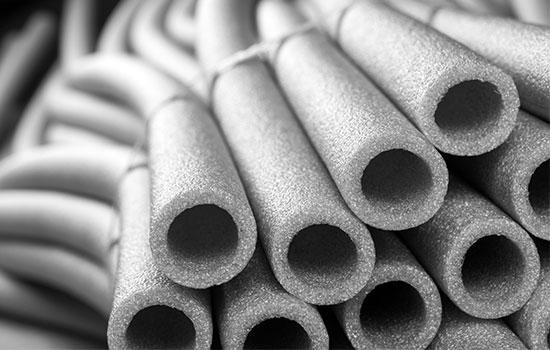
pipe insulation

Add extra insulation

  • The pipes most likely to freeze are those nearest an uninsulated wall, door, window, garage, attic, basement, or along an uninsulated floor.
  • Add insulation to exterior walls wherever possible and wrap pipes with insulation.
  • If your kitchen or bathroom sink is located against an outside wall, insulate the wall and exposed pipes.
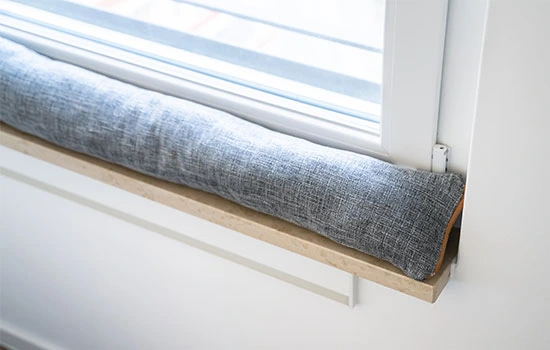
Gray fabric draft stopper installed at base of window with striped Roman shade, sitting on wooden sill to block drafts and reduce energy loss

Eliminate drafts

  • Eliminate cold drafts near water pipes, and—if yours is indoors—your water meter (see below for details).
  • Make sure all doors and windows to the outside are tightly closed, including those in basements and crawl spaces.
  • Fill cracks in walls and around windows, replace cracked glass, and install storm windows on basement windows.
  • Cover foundation vents with foam blocks or cardboard.
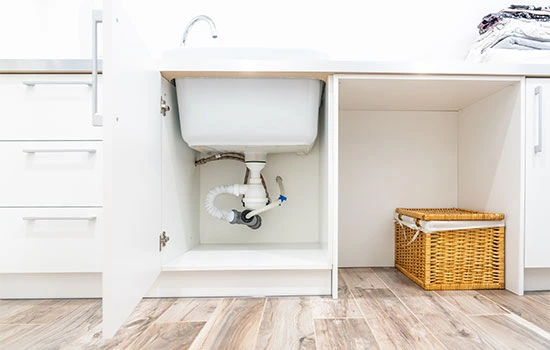
Open white cabinet under sink with plumbing pipes visible, wicker storage basket on right side, wooden floor, white walls and cabinetry

Keep warm air circulating

  • Open kitchen and bathroom cabinet doors to allow warm air to circulate around the pipes.
  • Keep the doors to rooms where the pipes and water meter are located open so warm air can keep temperatures above freezing.
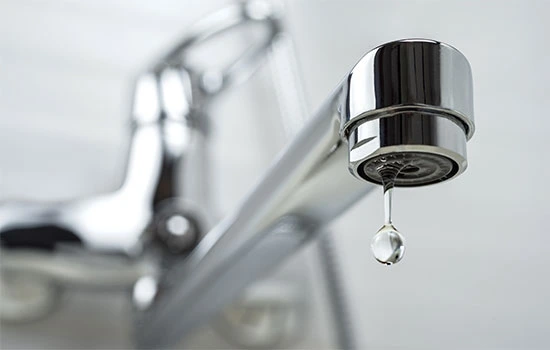
Close-up of a chrome kitchen faucet aerator with a water droplet falling, sink blurred in background

Let the water run

  • Letting a faucet fed by pipes exposed to extremely cold weather drip can prevent the water inside from freezing. Flowing water can still freeze but this method makes it more difficult for the water to freeze.
  • Flowing water can also break up ice that has started to freeze inside pipes. Turn on the water periodically at all faucets that are exposed to cold air when outside temperatures have been below freezing for several days.
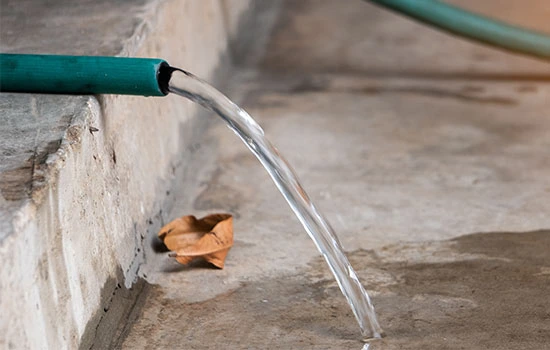
Water flowing from a green garden hose into a concrete basin with a brown autumn leaf floating inside

Disconnect and drain garden hoses and irrigation systems

  • Disconnect and drain garden hoses from outside faucets and turn off the connection to those faucets at the interior valve.
  • Drain any exposed pipes and irrigation systems, and insulate any backflow devices with newspaper, rags or similar material, covering them with plastic and securing with string or wire.
  • If you need assistance, contact your local irrigation specialist.
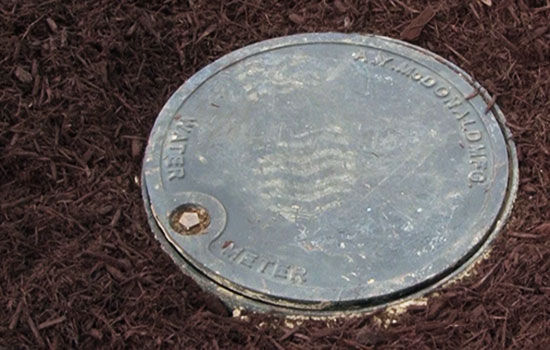
water meter pit cover

Protect outdoor water meters

  • If your water meter is in an outdoor pit, check to see that the pit cover fits properly and has no cracks through which cold air can flow.
  • The “pit” is a cylindrical casing with a metal cover about the size of a dinner plate or saucer.
  • Inside the pit, check to make sure that the pipes, valves and water meter itself aren’t touching the pit’s walls.
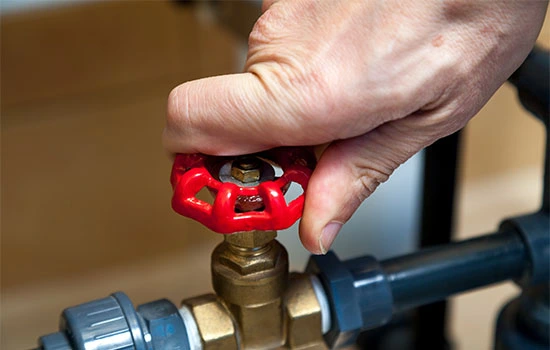
Hand turning a red ball valve on a brass pipe fitting connected to blue plumbing tubing

Know your plumbing

  • Find the main water shut-off valve to your home.
  • Show all household members how to turn it off in case of a burst pipe or similar emergency.
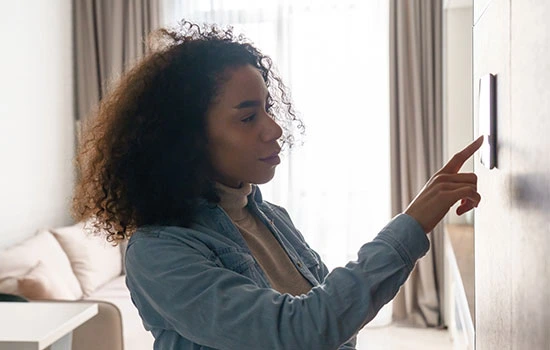
Woman with curly hair wearing a denim shirt pointing at a wall-mounted thermostat in a bright, modern bedroom with white bedding and curtains.

Leave the heat on while on vacation

  • When you’re away, never completely shut off the heat unless you drain all the pipes and toilets first.
  • If you do this, be sure to turn off your water heater first, and drain your heating system’s pipes and radiators, too.

What to do if your pipes or meters freeze
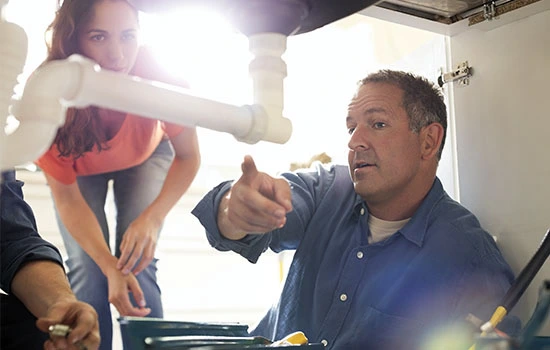
Plumber instructing a child on pipe installation work under a sink, demonstrating hands-on plumbing skills and mentorship

If you see or suspect damage to your water pipes

  • Call a licensed plumber for assistance.
  • They'll arrive with specialized equipment to quickly and safely thaw your pipes.
Young woman wearing headset smiling while talking on phone at office desk with male colleague working in background

If you see or suspect a frozen or damaged water meter

  • Please call Aquarion’s Customer Service Center.
  • You will need to be home when we attempt to thaw the meter. This is to minimize any damage inside your house if any of your pipes have burst.
  • Because the homeowner is responsible for the water meter and the pipes on either side, you will be charged for any service calls needed to thaw or repair your meter.
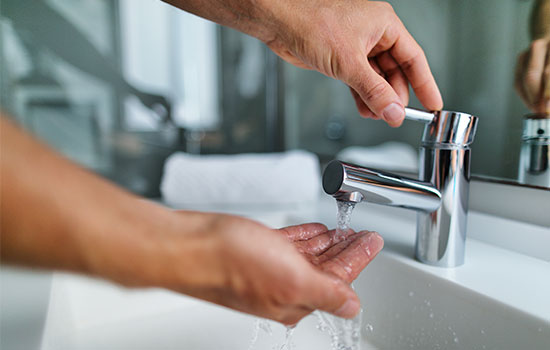
hand under running tap water

If there is a lack of water flow, but no signs of damage

  • Leave the faucet open as you attempt to thaw the pipe that feeds it.
  • Once water starts flowing again, open a nearby faucet to allow a small stream of water to flow through the pipes. Keep that small flow running until you correct the problem that caused the pipe to freeze—most likely cold drafts and a lack of warm air circulating around the pipes or meter.
  • And before we forget: Never use a torch or any other open flame to thaw a pipe or meter!

Professional woman in black blazer smiling while having a phone conversation at her desk in a modern office with teal walls and green plants

Contact Us

Call Center hours are weekdays 8:00 a.m. to 5:30 p.m. Emergency service is available for all other hours including weekends and holidays.